
Why Do Smart Home Devices Keep Disconnecting?

by Tom Ellerby
Smart home technology should make daily life simpler. Lights should respond immediately, heating schedules should run as planned and security cameras should remain available when you are away. When devices repeatedly drop offline, however, a convenient system can quickly become frustrating.
The fault is not always with the individual product. Disconnections are often caused by weak Wi-Fi, poor hub placement or an overloaded home network.
Weak or Unstable Wi-Fi Coverage
Weak Wi-Fi is one of the most common causes of unreliable smart devices. A phone may work acceptably in a room, while a small smart plug struggles to maintain a stable connection.
Walls and nearby wireless networks can interfere with the signal. Google advises that wireless interference may cause slow responses as well as devices repeatedly disconnecting and reconnecting. Automated door/gate systems are particularly likely to sit at the edge of the network’s coverage.
Moving the router or smart hub can sometimes help. In larger or thick-walled homes, a properly designed mesh system may provide a more dependable solution than several plug-in extenders.
The Router or Smart Hub Is Poorly Positioned
Routers are often hidden behind televisions, placed inside cupboards or left at one end of the property beside the incoming broadband connection. These positions may prevent the signal from reaching the rest of the home effectively.
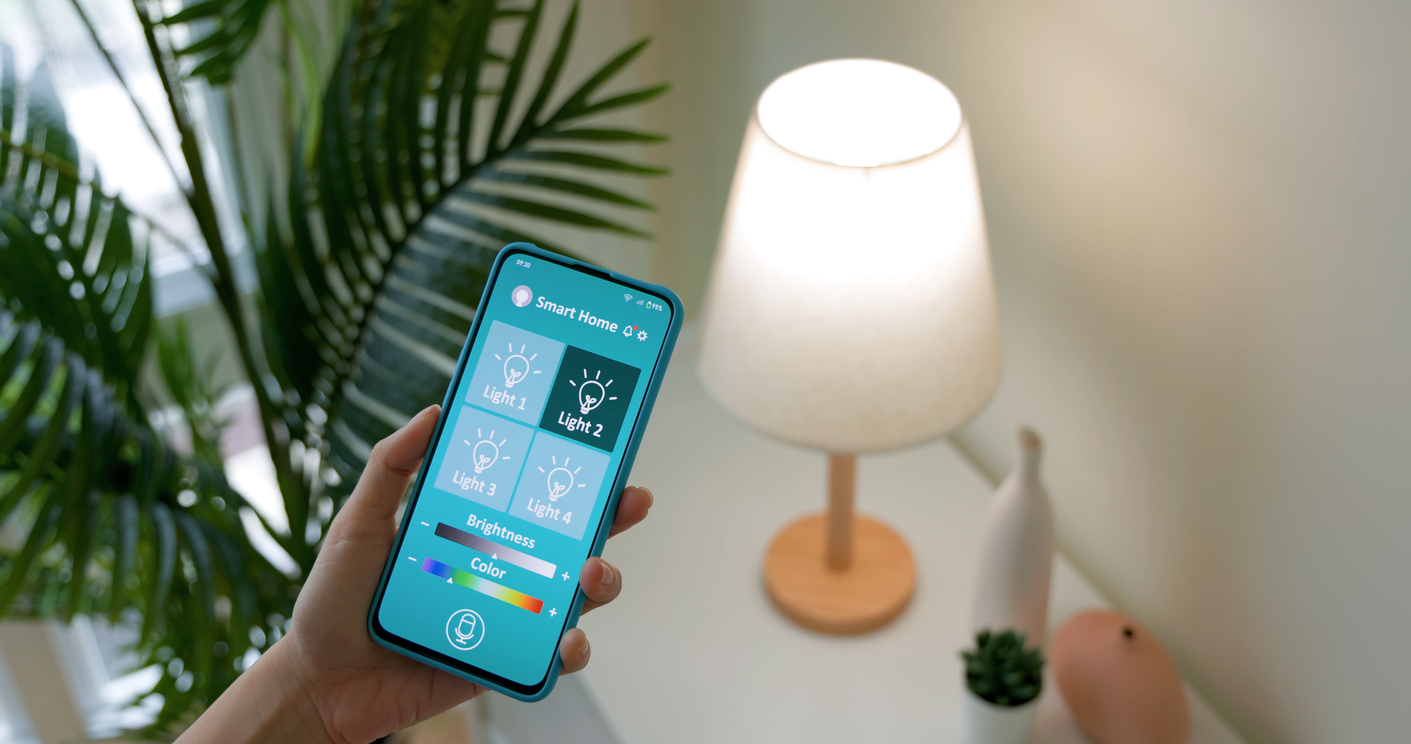
The same applies to smart hubs and bridges. Many lighting products communicate through a central controller. If that controller loses its network connection, several devices may appear offline at once.
Before resetting individual accessories, check that the hub has power and is connected properly.
Too Many Devices Are Using the Network
Connected products can accumulate quickly. Phones, tablets, televisions, speakers, cameras, doorbells, lighting and heating controls may all be active at the same time.
An older router may struggle to manage a busy household, especially while people stream video. Devices may respond slowly or appear offline during periods of heavier use.
This does not automatically mean you need faster broadband. The issue may be how wireless coverage and traffic are managed inside the property. A better router or additional access points may be more useful than simply increasing the advertised internet speed.
Wi-Fi Details or Settings Have Changed
Some smart devices support only certain Wi-Fi bands, commonly 2.4 GHz. Setup can fail when a phone, hub and accessory are not communicating through compatible network settings.
Products may also go offline after a router is replaced or the Wi-Fi name or password changes. Devices can continue trying to use the old details and may need to be reconfigured through the manufacturer’s app. Google specifically identifies old network credentials as a reason devices may remain disconnected after a router change.
If several devices regularly drop offline, our smart home installation service in York can help identify whether the cause is the equipment, the hub or the wider home network. We can review coverage and configure the system for more reliable everyday use.
Software, Internet and Power Problems
Smart devices, hubs and routers all run software. Updates may correct connection faults, improve compatibility and address security issues, so check the manufacturer’s app and make sure the router is using current firmware.
A device can remain connected to Wi-Fi but still appear offline if the broadband connection or the manufacturer’s cloud service is unavailable. Test the internet on another device. If nothing can connect, restart the router and check for a provider outage. If only products from one manufacturer are affected, check its app or service status.
Battery-powered locks, sensors and thermostats may also become unreliable before the battery is completely flat. Check batteries and adapters before removing a device from the system. If your system is on a business premises, our team can set you up with reliable business broadband you can count on.
What Should You Check First?
Before factory-resetting everything:
- Check whether one device or a group is offline.
- Test the product closer to the router or hub.
- Restart the device, hub and router in a controlled order.
- Confirm the Wi-Fi name and password have not changed.
- Check batteries, power supplies and available updates.
- Test the internet connection on another device.
Avoid resetting the whole system at once. This can remove rooms, routines and automations without fixing the original problem.
Creating a More Reliable Smart Home
Dependable smart home systems begin with a stable network and a clear plan. Routers, access points, hubs and devices should be positioned and configured as parts of one system rather than added separately without considering how they communicate.
1st Byte provides smart home installation in York for lighting, heating, security, audio, door and gate access, and other connected technology. We assess the property, home network, wireless coverage and devices before recommending a practical setup.
Contact 1st Byte to arrange a review of your smart home system and find out how we can improve coverage, reconnect unreliable devices and make your technology easier to use.
Recommended Posts

What Is Cyber Essentials And Does My Business Need It?
1st September 2026

In-House vs Outsourced IT: Which for Your Business?
27th March 2026

Why Your York Business Needs Reliable Backup and IT Support
5th November 2025