What Is Cyber Essentials And Does My Business Need It?
by Tom Ellerby
Cybercrime is not limited to large organisations. Small and medium-sized businesses also hold valuable information, use cloud services, and rely on connected devices, making them attractive targets for cybercriminals. Cyber Essentials provides a practical way to strengthen your everyday security and demonstrate that appropriate safeguards are in place.
At 1st Byte, we help businesses understand the Cyber Essentials requirements and prepare their systems for assessment. Our role is to identify technical gaps, improve security settings, and ensure your devices, software, and user accounts are properly managed before you apply for certification.
What Is Cyber Essentials And How Does It Protect Your Business?
Cyber Essentials is a government-backed cybersecurity scheme supported by the National Cyber Security Centre. It is designed to help organisations protect themselves against common online threats, including malware, phishing-related attacks and attempts to exploit outdated or poorly configured systems. Businesses of any size and in any sector can work towards certification.
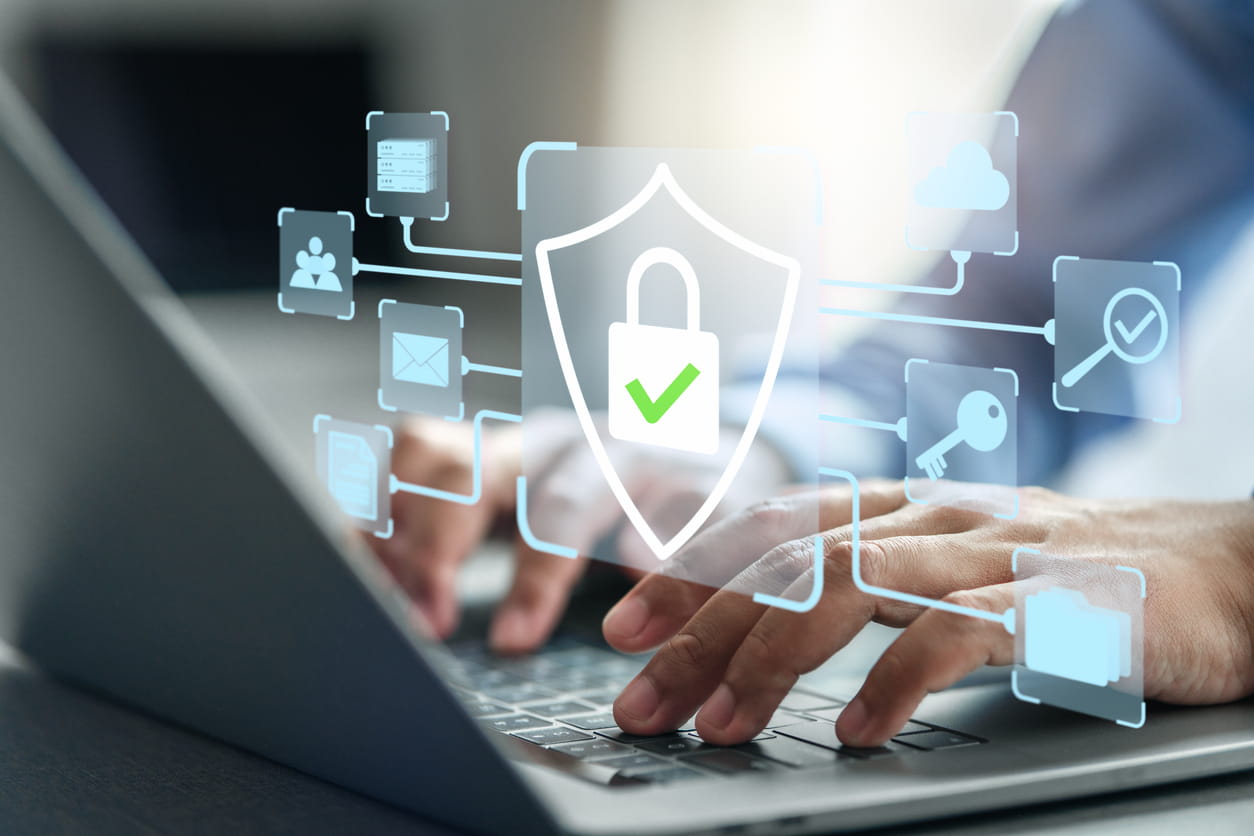
The scheme concentrates on five technical controls. These address many of the weaknesses cyber criminals commonly target when looking for an easy route into a business network:
- Firewalls: Protecting internet-connected devices and preventing unauthorised access.
- Secure configuration: Removing unnecessary software, changing default settings and configuring devices securely.
- Security update management: Installing critical updates and promptly addressing known vulnerabilities.
- User access control: Limiting accounts and administrative privileges to people who genuinely need them.
- Malware protection: Using suitable measures to stop malicious software from infecting devices and accessing data.
These controls may sound straightforward, but applying them consistently across computers, mobile devices, servers and cloud services can be difficult. 1st Byte can review your current setup, explain what needs attention, and implement practical improvements to help your business prepare for the assessment.
Cyber Essentials And Cyber Essentials Plus Explained
There are two levels of certification. Standard Cyber Essentials uses a self-assessment questionnaire, which is independently checked by an approved certification body. Your answers cover the devices, software, cloud services and security measures included within the agreed scope of the assessment.
Cyber Essentials Plus covers the same five technical controls but includes independent technical testing to verify that they work in practice. This provides a higher level of assurance and may be requested when an organisation handles sensitive information or operates within a supply chain where stronger cybersecurity evidence is required.
Certification Can Create New Business Opportunities
Cyber Essentials is not legally compulsory for every UK business. However, it may be required when bidding for certain government contracts, particularly when a supplier will handle sensitive information or deliver specific IT-related services. Some private-sector customers and larger organisations also ask suppliers to hold a valid certificate.
Certification can therefore support tender applications and help businesses satisfy supplier checks. It gives prospective customers evidence that your company has taken recognised precautions against common cyber threats. This may help distinguish your organisation from competitors that cannot provide the same level of assurance.
Stronger Security Protects More Than Your Files
A cyber incident can disrupt far more than the information stored on a computer. It can stop employees from working, interrupt customer service, delay orders and create unexpected recovery costs. If personal or commercially sensitive information is exposed, the incident may also damage the trust customers place in your business.
Working towards Cyber Essentials encourages you to examine how your whole organisation uses technology. This includes checking who has administrator access, removing accounts belonging to former employees, updating unsupported software and confirming that cloud services are configured correctly. These measures help reduce avoidable risks while making day-to-day IT management more controlled.
Preparation Helps Avoid Assessment Problems
Completing the self-assessment without first reviewing your systems can lead to inaccurate answers or to problems being exposed late in the process. Businesses sometimes discover that unsupported devices are still connected, security updates have not been installed, or users have more access than their roles require.
A readiness review allows these issues to be addressed before the questionnaire is submitted. It can cover computers, laptops, mobile devices, routers, firewalls, operating systems, software and cloud services. The exact work required will vary according to the size and complexity of your organisation.
Contact 1st Byte For Your Cyber Essentials Now
If you are unsure whether your systems are ready, speak to 1st Byte about Cyber Essentials in York. We can assess your current IT environment, explain any weaknesses in plain English and make the technical changes needed to prepare your business for certification. Contact 1st Byte today to discuss your requirements and take a practical step towards stronger cybersecurity.
Recommended Posts

Why Is Our VoIP Phone System Cutting Out?
6th October 2026

Why Do Smart Home Devices Keep Disconnecting?
4th August 2026

In-House vs Outsourced IT: Which for Your Business?
27th March 2026